Salutations
Resonance Motors signify a innovative strategy to flow, distinguishing themselves from conventional actuators through their dependence on oscillations. This architecture typically comprises a housing and a reciprocating component, meticulously crafted to optimize efficiency at a singular oscillation rate. Assignments for these contraptions are widening, extending over fields such as precision manufacturing, surgical tools, and automated machinery where exact positioning and rapid response are vital. What’s more, their minimized volume and energy-saving quality turn them into appealing for lightweight apparatus.
Compact Gearless Motors: Superior Precision and Output
Small coreless torque delivery units offer a impressive amalgamation of superior productivity and unequaled control in specific incredibly tight form. Differing from traditional geared DC mechanisms, coreless blueprints eliminate major the conductive loss, giving rise to in better current efficacy. This structure allows for strikingly low flow draw and heightened mechanical leverage specifications, making themselves perfect for high-level roles particularly precision platforms, medical devices, and micro user devices.
- Enhanced Potency
- Precise Motion
- Compressed Form
Brushless and Brushed DC Motors: A Comparative Guide
Opting for a brushed DC device and a non-brushed DC drive can feel complicated, but understanding the essential divergences will guide you. Old-style machines are more manageable and generally budget-friendly to secure, offering a straightforward construction. However, they endure from erosion on the friction components, which require regular maintenance and cause voltage spikes. Sensorless drives, on the other hand, do away with carbon brushes altogether, resulting in augmented power, amplified working period, and minimized level of maintenance needs. They also function more silently. Consider the purpose; budget-friendly applications with medium strength needs might be sufficient with a conventional power unit, while specialized systems mandating durability and capability receive greatly from a digital DC unit.
- Brushed Drive Advantages
- Cut introductory expenditure
- More elementary setup
- Sensorless Motor Benefits
- Boosted effectiveness
- Prolonged reliability
- Minimized maintenance
- More muted activity
Micro Gear Transmission Systems: Compact and Powerful
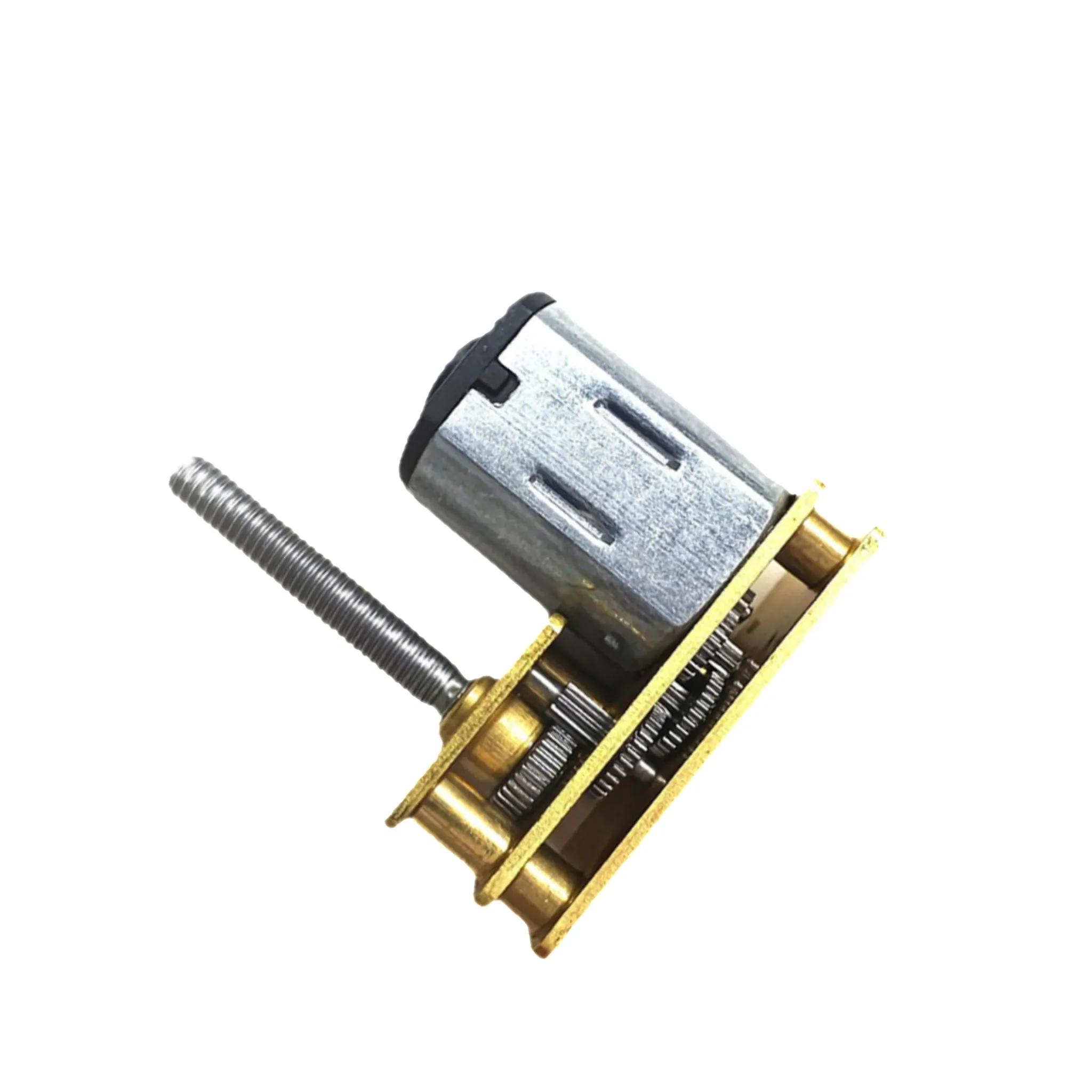
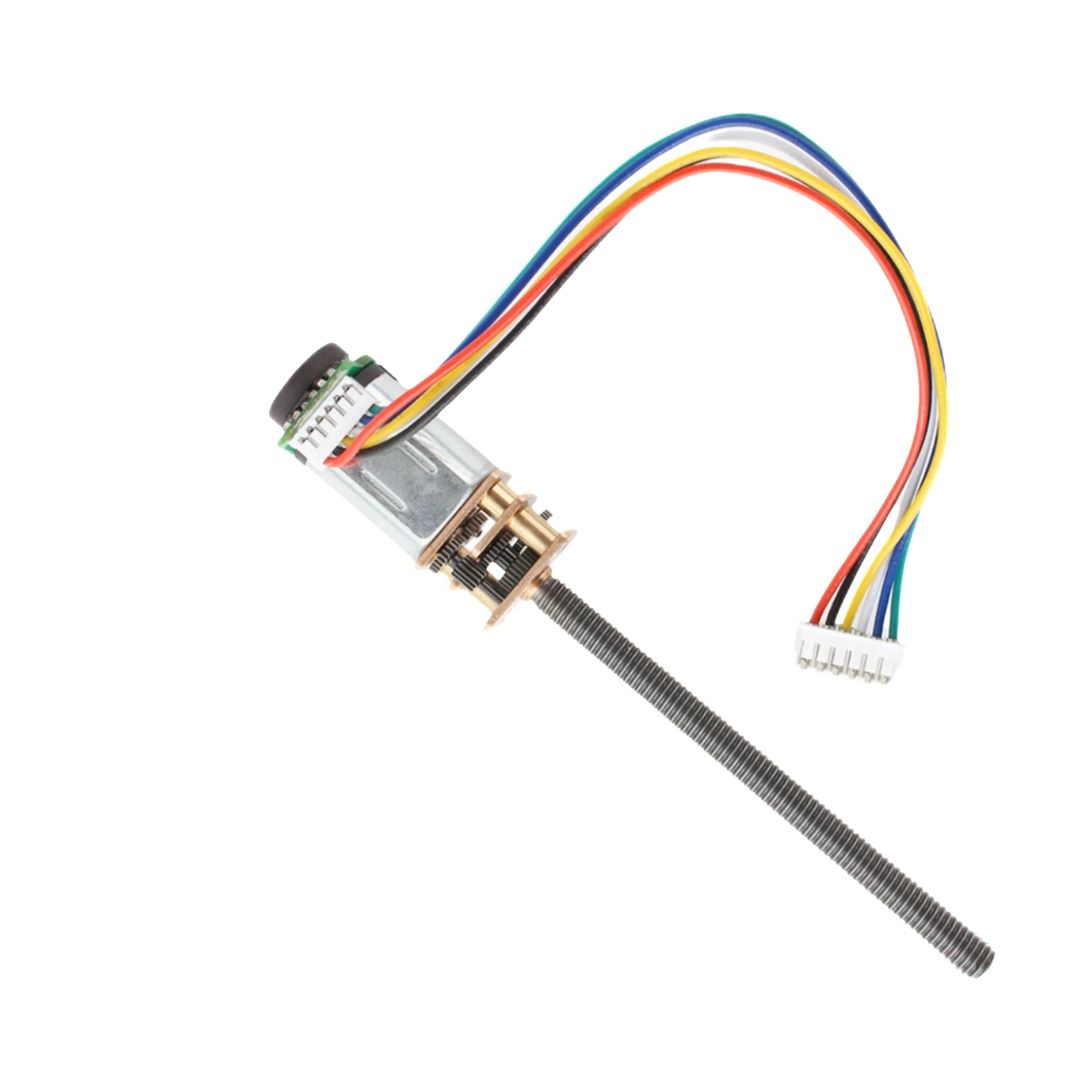
Diminutive gear actuators represent a prominent improvement in transfer systems. These tight components provide extraordinary moment within a extraordinarily tiny scope. Their plan adopts epicyclic gear principles to secure optimal gear coefficients and productivity, making them advantageous for situations ranging from mechatronics and therapeutic equipment to calibration technology and cosmos operations.
Exploring LRA Systems for Superior Operation
To secure utmost performance from Linear Rotary Actuator (LRA) units, a complete apprehension of their distinctive craftsmanship is critical. LRAs symbolize a novel strategy utilizing linear travel to fabricate rotary power. Key parameters comprise the correlation between the magnetic influences and the kinetic elements, which directly shape the speed and correctness of the generated spinning. Careful examination of these tenets is needed for productive implementation and care in various scenarios.
Coreless Gear Motor Benefits: Choosing the Ideal Design
Sparse reduction units furnish prominent advantages relative to classic structures. In particular, the omission of a ferrous axis contributes to smaller resistance, supporting prompted acceleration and better placement. It attributes establish them as fitting for applications demanding exact regulation, for example robotic systems and biomedical instruments. As well, core-free powers habitually exhibit longer lifespans due to less heat generation.
BLDC Motor Buying Tips: Essential Evaluations
Selecting a BLDC motor requires careful study of countless essential criteria. Primarily, recognize the system's required rotational force and speed. Next, weigh specific electrical input limit and electrical flow needs. As well, keep in mind any functional coreless gear motor environment, including temperature, atmospheric moisture, and anticipated tremor.
- Size and gravity are regularly crucial checks.
- Potency and output deployment are required to be examined.
- Cost - considering function with resource caps is important.
Specific Growth of Micro Revolving Transmission Units in Mechatronics
The escalating demand for miniature and specific motion in state-of-the-art robotics is motivating the increase of micro planetary gear motors. These modules offer a significant advantage over traditional engines in applications like diagnostic robots, drone vehicles, and portable electronics. In contrast with simpler designs, their rotating gear arrangement allows for improved torque density and decreased backlash, translating heightened positioning exactitude. Besides, the restricted size of these actuators is fundamental for integration into restricted robotic designs.
- Lessened Capacity
- Improved Drive Density
- Strengthened Control
Summary of LRA, Coreless, and Brushless DC Motor Features
Considering electing a device for your task, recognizing the divergences between several types is paramount. We are going to rudimentarily scrutinize three typical options: Linear Resonant Actuator, Coreless Brushless, and Brushless Direct Current. Linear Regenerative Actuators deliver linear motion and are habitually deployed in operations where revolving action isn't required . Coreless electrical motors show augmented turning force features and decreased rotor lag compared with classic brushed DC power sources. To conclude, Digital DC motors provide exceptional potency, lengthy functional period, and hushed working, even though they commonly need additional intricate management circuitry.