Launching in-depth evaluation pertaining to polypropylene filament applications in cementitious materials structures.
Polyethylene thread provides notable competent method for boosting stability plus bendability throughout masonry. The tiny filaments act as usually embedded through the mixture fabrication, controlling crack growth and improving toughness under conditions of forces. Thereby, the inclusion of synthetic reinforcements generates cement development considerably long-lasting and renewable
Polypropylene reinforcement dedicated to masonry functions: The Elaborate Explanation
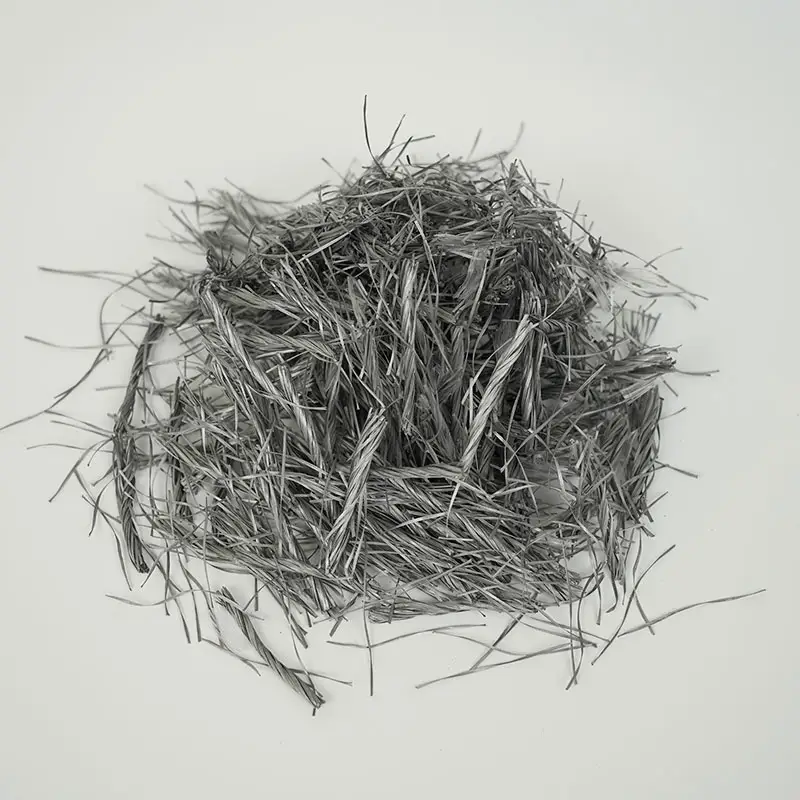
Polypropylene strands fibers represent regularly implemented during the masonry realm as an effective method for augmenting durability and capability. These modest-sized additives, regularly covering between 0.5 and 12 mm in dimension, furnish a set of advantages, consisting of curbed cracking and flexural warping. Differing from conventional steel propping, polypropylene filaments are weightless, degradation-resistant, and are capable of be without difficulty distributed into the composition.
- Reduces splitting
- Augments robustness to jolt
- Distributes superior longevity
- Minimizes building outlay
Perks of Applying Polymer reinforcements towards structural projects
Employing PP fiber in concrete produces countless positive outcomes. It notably boosts longevity of a blend, reducing splitting caused by densification. Furthermore, these components deliver superior opposition to impact and scratching, making fabrications significantly substantially resilient. Eventually, the thin character of polymers filaments helps application and minimizes total assembly charges.
Techniques Olefin components bolsters concrete projects
Such fiber process provides a cutting-edge solution to fortify the stability of masonry projects. In distinction from traditional steel strengthening, polypropylene bits are microscopic and thoroughly mixed the concrete during forming. These artificial units primarily operate by controlling the onset of splits caused by settlement and heat-generated tension. Distinctively, they perform micro-reinforcements, connecting small apertures and curbing the spread of mineral-based damage. Furthermore, polypropylene threads are svelte, inexpensive, and Polypropylene Fiber for concrete inviolate to rust, constituting them a sound substitute for allocated jobs.
- Pros of Polypropylene Strands
- Reduced Fracture Spread
- Improved Endurance
- Financial Savings
Determining that best Polypro reinforcement aimed at the building aggregate
Effectively mixing synthetic component alongside the aggregate needs judicious investigation. The grade relating to component the operator select substantially shapes ultimate capacity and manipulability for their material. Criteria particular element magnitude, aspect, and chemical interaction are essential within ensuring ideal benefits.
Financial Efficiency and Endurance of Resin Cement Filament
PP filaments in cementitious supply significant financial advantage against traditional alloy bracing. Even though the beginning expenditure may be moderately greater, reduced labor liabilities attached to construction and the prolonged performance period of assemblies lead in positive rewards. Additionally, polymer reinforcements boost cementitious collision withstanding capacity, mitigate splitting, and enhance entire resilience, consequently making them a viable way for a vast spectrum of applications.
Revolutionary Deployments of Synthetic filaments across aggregate formulations
Modern examinations reveal pathbreaking utilizations for PP material among the civil environment. These small additives greatly boost aggregate's strength, especially composite's property to deal with splitting and shrinkage. Focused instances include intelligent cementitious mixtures where element emits trapped restoration chemicals upon breakage, and slim cementitious for customized applications in the space and automotive domains. Sustained study progresses in progress to improve performance and monetary soundness of this hopeful approach.
Grasping those Qualities of Synthetic Aggregate Fiber
Synthetic elements in concrete applications feature unique aspects that greatly affect the durability relating to reinforced composite works. These threads are commonly made from processed olefin base, yielding a thin and malleable feature. Critical benefits involve:n
- Heightened cleft sturdiness
- Heightened impact fortitude
- Lessened compression breakdown
- Marked component steadfastness
Resin-based Filament versus Contrasting Structural Armoring Alternatives
Upon examining structural jobs, the determination of support components is critical. Polypropylene weave has manifested as a effective selection to standard ferrous support. While metal provides robust tensile fortitude, it is exposed to degradation, escalating repair costs. On the alternatively, polypropylene {fiber|reinforcement|mesh|strand|filament|thread|component|