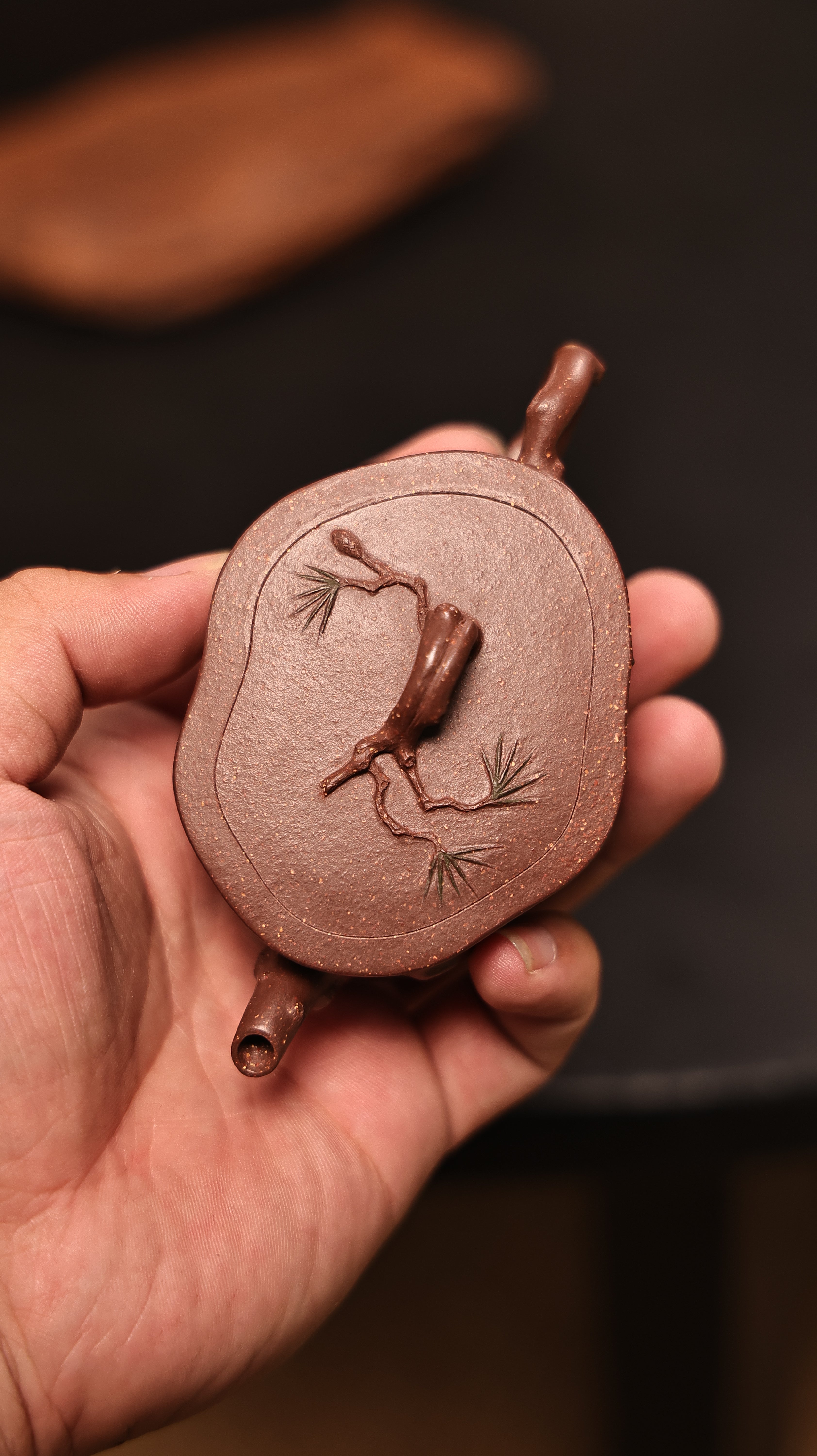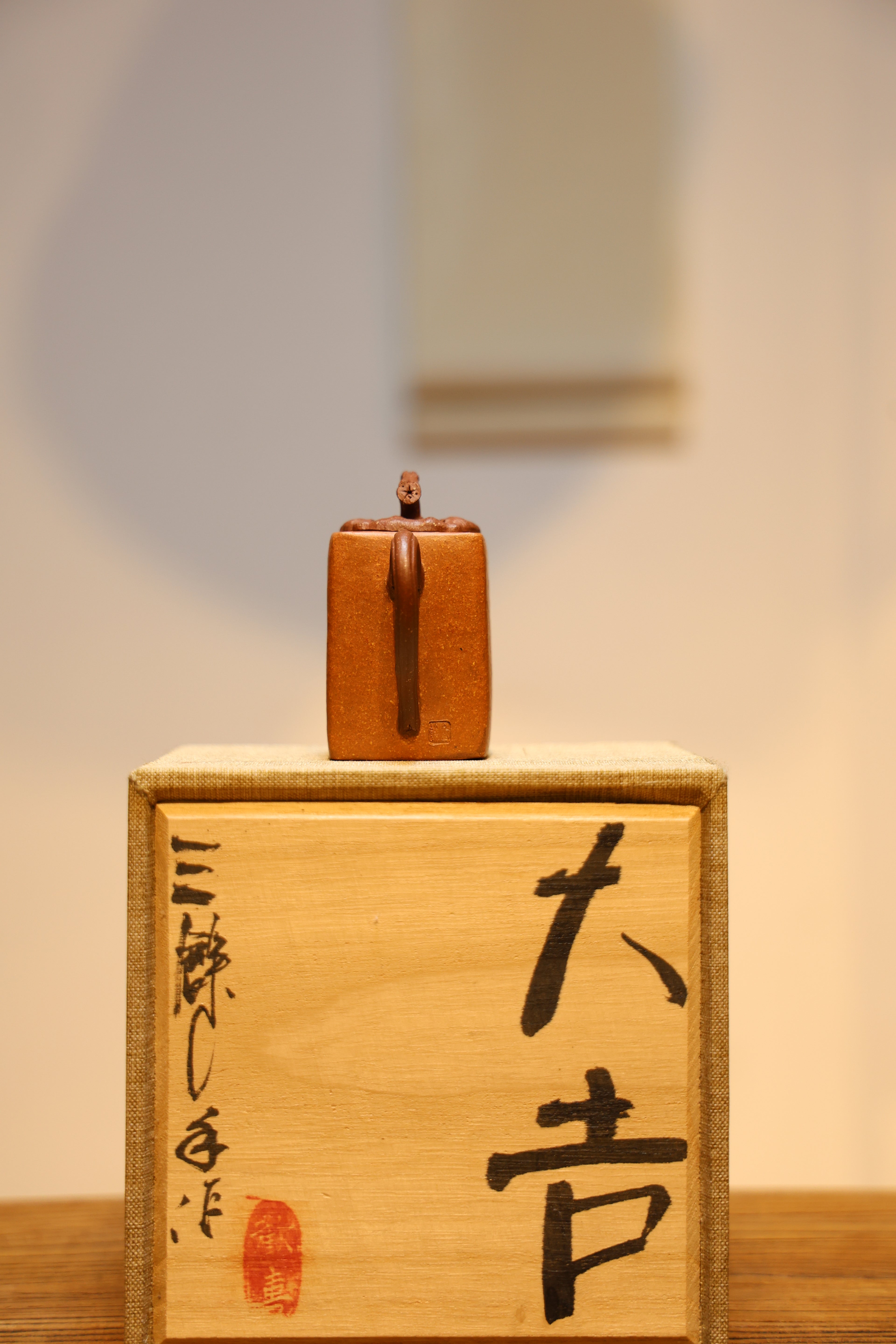
Beginning this complete inspection about Issing Tzu-sha clay pots offers one gripping fusion involving technique conjoined with efficiency.
Issing Zi-sha porcelain pots retain special peerless enticement concerning devotees all over the world. Specific stunning terra cotta vessels, begun from the special Yi-hsing district near Jiangsu region, China, are more than just brewing tools; they are acknowledged as works decorative beauty and ancestral significance. That finely processed clay, known by Zisha, imparts a subtle flavor inside the tea, and the decorative designs, often illustrating traditional Chinese imagery, make their basic value. Acquiring a genuine Yixing Zisha teapot constitutes a delightful journey, requiring careful inquiry and an knowledge of the different factors influencing the uncommonness.
Examining Yixing Clay Pots
Yihsing earthenware pots boast a storied past deeply interwoven with Chinese civilization. Originating in Yixing, Jiangsu area, these pots are crafted from a unique, porous purple terracotta found only in that designated location. Their growth began during the Ming epoch, with master artisans refining the systems over years. Numerous types occur, including the classic Hexiang (resembling crab shells), Zhuni (red-brown hue), and Duan Ni (stone-studded) – each with distinctive characteristics. The esteem of an Yixing vessel isn't solely based on its size or accessories, but also on the creator’s reputation, the earth's quality, and the brewery’s age and condition. Connoisseurs often seek out older examples, believing they soak up the essence of the liquid brewed within them over time, further Yixing Zisha Teapot adding to their status.- Hexiang Earthen Pots
- Chestnut Earthen Pots
- Duan Ni Earthen Pots
Zisha Teapot Mastery: Artistry & Approaches
Exclusive fabrication of Zisha teapots represents a culmination of Chinese ceramic expertise. Professional artisans employ age-old techniques, often passed down through descendants, to unlock the full quality of this unique clay. Processes involve meticulous modeling by hand, often combined with the twisting method, followed by precise heating at incredibly strong temperatures in wood-fired kilns. Decorating is equally crucial; creators utilize authentic clay colors and may incorporate embossing work to depict intricate scenes or patterns, demonstrating a profound awareness of the material’s properties and vitality. The product teapot isn't merely a vessel for tea, but a testament to a rich cultural tradition.
Oriental Tea Containers: One Synopsis to Issing Zisha
Investigating the world of Eastern teapots commonly begins with Yixing Zisha. These special clay earthenware are constructed from a exclusive type of clay located only in the Yixing region of Jiangsu Province province. Acclaimed for its singular reddish-purple hue and premium qualities, Zisha clay gives a nuanced flavor to the tisane and progresses with age, becoming a cherished treasure. Possessing Yixing Zisha containers is more than just controlling a exquisite object; it’s a dedication of practice and finesse.
Surveying Yixing Purple Clay: Genuine Nature & Growth
Entering the market of Yixing Zisha clayware can be extremely profitable, but calls for a sharp perception. Truthfulness is vital; countless copies circulate, sometimes convincingly produced. Acquiring knowledge about historical kiln methods, distinctive dirt particulars, and the symbols of distinguished craftsmen is utterly necessary. Furthermore, realizing the particulars of the evolution direction – influenced by factors such as classical significance and the preservation of the product – is crucial to profitable investing.
- Scrutinizing heating origins.
- Consulting authorities for endorsement.
- Analyzing market changes.
One Craft of Formulating with a Earthen Vessel
Distinctive rare allure of a Zisha setup lies not just in its splendid appearance, but also in its well-known impact on the essence of the elixir. These old clay vessels, sourced from singular regions of China, possess a organic porosity that subtly interacts with the substance and leaves, imbuing the brew with a elegant character. Mastering the practice requires a patient approach, understanding how the earth responds to diverse heating regimes and foliage types, ultimately leading to a truly rewarding tasting experience.
Upkeeping The Possession
Proper upkeep of your Yixing brewing pot is critical to retaining its quality. These singular teapots, crafted from exceptional Yixing clay, accumulate a character over generations that enhances their significance. Occasionally rinse the core with gentle water, avoiding chemicals, and never use intense scrubbing tools. Some gentle buffing with a soft cloth can support in eradicating marks. Allow your urn to completely dry once each infusion
Decoding Terracotta: Elements Yixing Clay Pots Signify Unique
The celebrated appeal of Yixing teapots emerges from the distinctive properties of Purple clay, extracted solely near Yixing, the Memorable Chinese region. This exceptional clay, classified as ferruginous mud , possesses a unusual combination of ingredients that, as years pass, receive the taste of the beverages it houses. This generates a remarkable taste experience for each pot, providing it a price far outperforming its initial price and aiding to their admired status among specialists.
Finding the Perfect Sinocentric Carafe: A Pottery Explanation
Venturing into the world of Purple clay teapots can feel overwhelming, but understanding the fundamentals is paramount to obtaining a sought-after piece. This category of clay, sourced primarily from the area around Yixing, the Jiangsu area, is well-regarded for its uncommon permeability and ability to augment the essence of the beverage over age. Evaluate the design, the shade, and the appearance; a true Zisha teapot is more than just a container; it's a beautiful creation and a representation of Chinese culture. Look for the symbol of the creator for clues to its roots and potential cost.