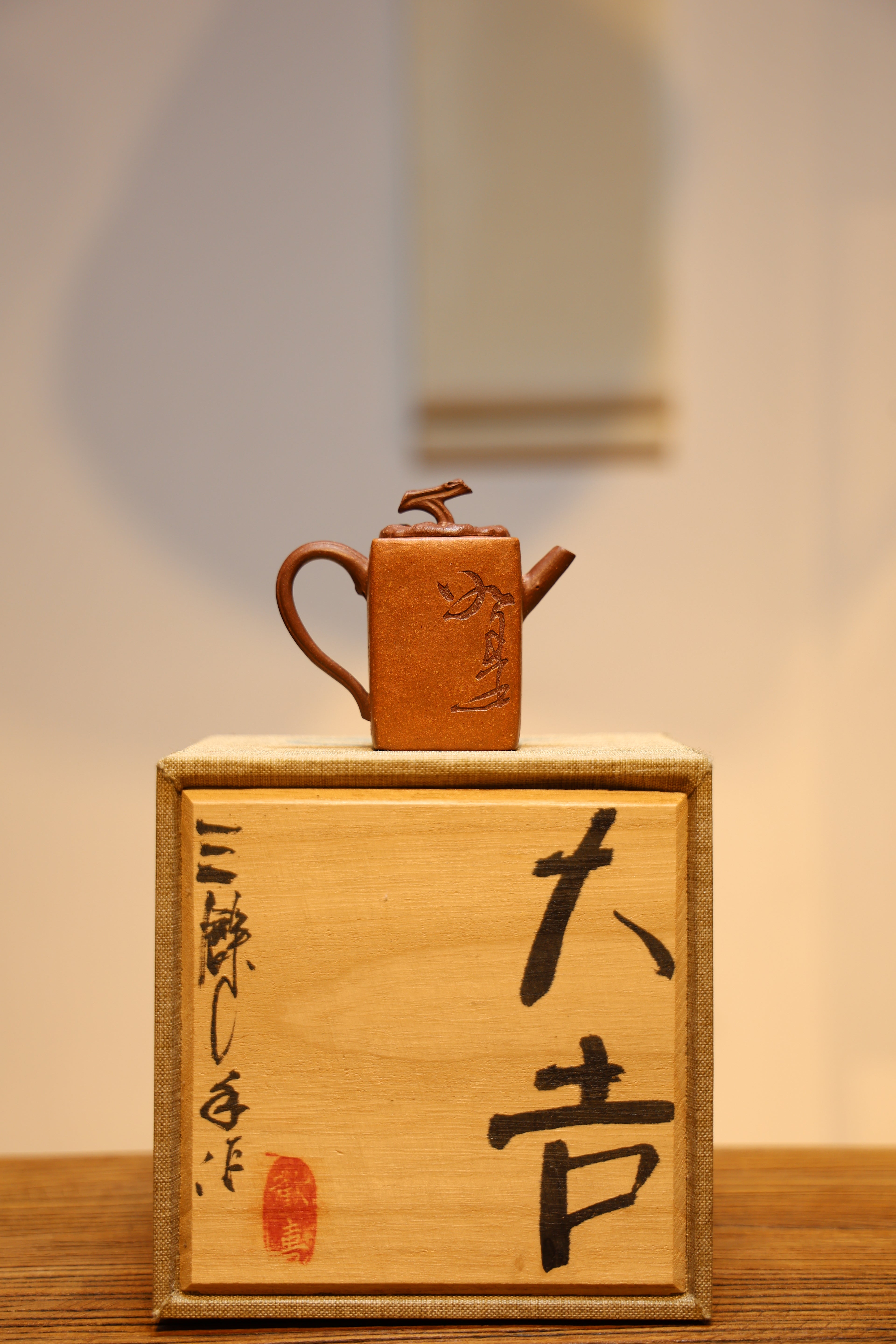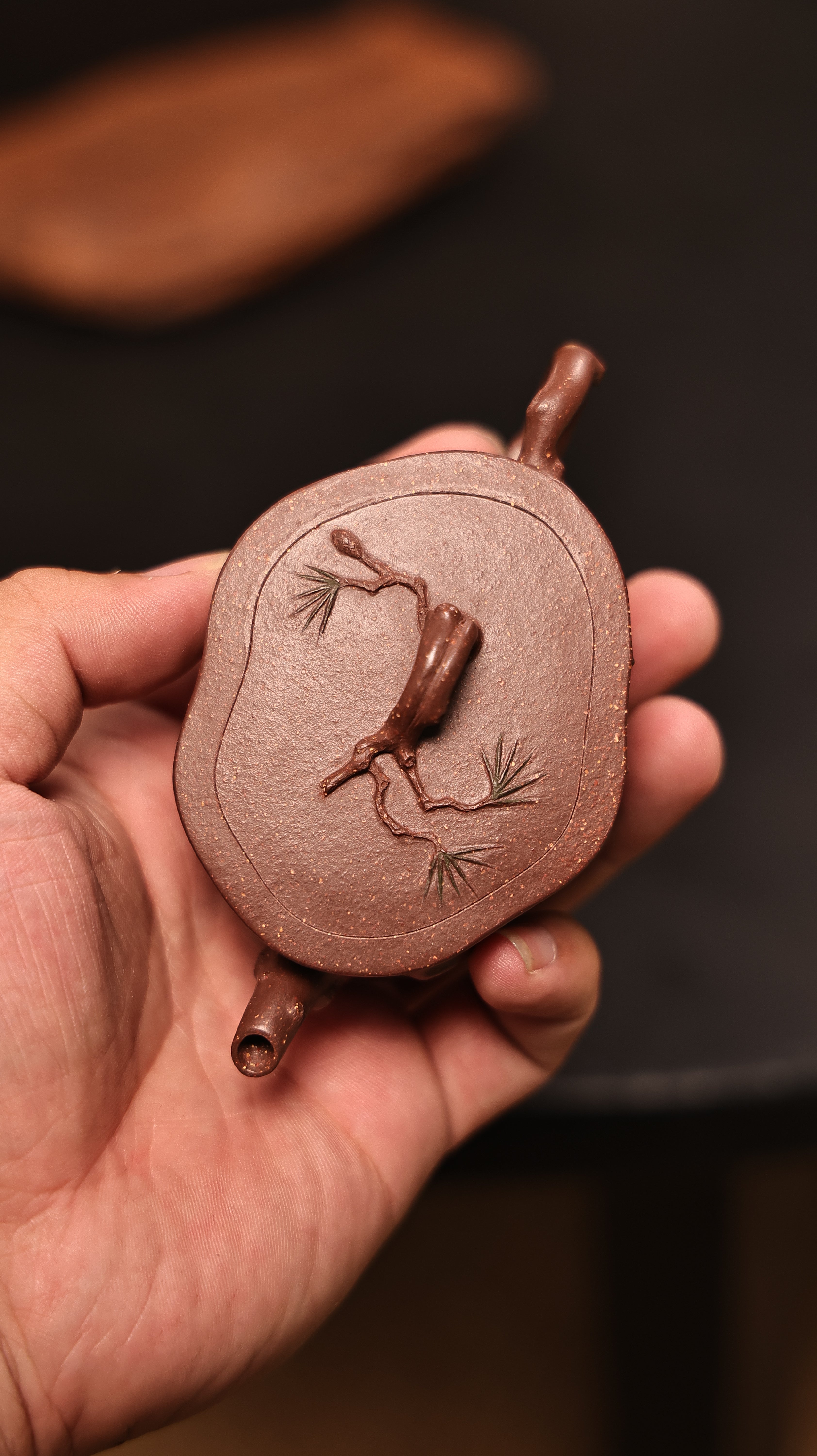
Embarking this extensive review of Yihsing Zisha ceramic vessels provides one gripping fusion among expertise combined with usefulness.
Ising Tzu Sha earthenware pots boast this exceptional charm among collectors worldwide. These outstanding terra cotta vessels, begun from the special Ising district of Jiangsu province, China, embody more than just steeping vessels; they are esteemed as works creative beauty and rich significance. This finely screened clay, known called Zisha, imparts a mild flavor within the tea, and the intricate designs, often casting traditional Chinese themes, enhance their inherent value. Gaining a genuine Yixing Zisha teapot constitutes a delightful journey, requiring careful inquiry and an knowledge of the several factors influencing the exclusivity.
Exploring Yixing Tea Vessels
Ising vessels boast a profound legacy deeply interwoven with Chinese heritage. Originating in Yixing, Jiangsu division, these earthenware are crafted from a unique, porous purple clay found only in that special location. Their creation began during the Ming session, with master makers refining the techniques over epochs. Yixing Zisha Teapot Several types persist, including the classic Hexiang (resembling crab shells), Zhuni (red-brown hue), and Duan Ni (stone-studded) – each with distinctive appearances. The cost of an Yixing ceramic vessel isn't solely based on its size or decoration, but also on the designer’s reputation, the material's quality, and the brewery’s age and condition. Connoisseurs often seek out older examples, believing they soak up the aroma of the liquid brewed within them over time, further adding to their status.- Antique Clay Pots
- Chestnut Vessels
- Stony Vessels
Zisha Teapot Mastery: Expertise & Methods
That creation of Zisha teapots represents a apex of Chinese ceramic craftsmanship. Skilled artisans employ historic techniques, often passed down through generations, to unlock the full capability of this unique clay. Systems involve meticulous shaping by hand, often combined with the stacking method, followed by precise tempering at incredibly intense temperatures in wood-fired kilns. Ornamenting is equally crucial; designers utilize natural clay colors and may incorporate engraving work to depict intricate scenes or patterns, demonstrating a profound familiarity of the material’s properties and voice. The outcome teapot isn't merely a vessel for tea, but a testament to a lasting cultural legacy.
Ancient Earthenware: One Synopsis to Issing Zisha
Discovering the world of Eastern teapots routinely kicks off with Yixing Zisha. These distinctive clay pots are fashioned from a specialized type of clay obtained only in the Yixing region of Jiangsu province. Renowned for its unique reddish-purple hue and exquisite attributes, Zisha clay delivers a mild flavor to the tea and enhances with age, turning into a cherished keepsake. Gathering Yixing Zisha pottery is more than just retaining a gorgeous object; it’s a salute of ancestry and finesse.
Investing in Yixing Purple Clay: Genuine Nature & Value
Venturing into the market of Yixing Zisha ware can be incredibly fulfilling, but necessitates a precise understanding. Genuine Nature is critical; many imitations manifest, generally artfully assembled. Becoming knowledgeable about ancestral cooking practices, defining earth qualities, and the markings of acclaimed creators is thoroughly important. In addition, recognizing the nuances of the progression tendency – influenced by causes such as cultural bearing and the preservation of the article – is important to successful gathering.
- Exploring clay history.
- Turning to professionals for verification.
- Estimating trading fluctuations.
Unique Technique of Making with a Zisha Container
Such exclusive allure of a Zisha tool lies not just in its stunning appearance, but also in its illustrious impact on the aroma of the beverage. These vintage clay earthenware, sourced from singular regions of China, possess a organic porosity that subtly interacts with the substance and leaves, imbuing the brew with a subtle character. Mastering the approach requires a steadfast approach, understanding how the soil responds to different thermal states and tea types, ultimately leading to a actually rewarding brewing encounter.
Protecting Own Heirloom
Proper management of your Yixing vessel is indispensable to maintaining its endurance. These special teapots, crafted from special Yixing clay, develop a sheen over intervals that increases their merit. Frequently rinse the inside surface with gentle water, avoiding cleaning agents, and never use intense scrubbing tools. A gentle dusting with a plush cloth can support in eradicating stains. Allow your container to absolutely dry after each serving
Unveiling Yixing: Reasons The Teapots Represent Rare
The prominent appeal of Yixing teapots lies within the characteristic properties of Ceramic clay, found solely near Yixing, eastern China. This uncommon clay, recognized as ferruginous porcelain , contains a exceptional combination of constituents that, over time, take in the essence of the drinks it incubates. This yields a singular fragrance for each pot, transforming it a merit far outperforming its initial price and leading to their respected status among aficionados.
Selecting the Right Traditional Carafe: A Stoneware Explanation
Venturing into the world of Purple clay teapots can feel overpowering, but understanding the basics is key to choosing a prized piece. That kind of clay, sourced principally from the Yixing vicinity, the Jiangsu zone, is acclaimed for its characteristic quality and ability to refine the note of the liquid over long haul. Review the profile, the tone, and the design quality; a real Zisha teapot is more than just a receptacle; it's a artistic piece and a reflection of traditional culture. Look for the character of the fabricator for clues to its roots and potential cost.